
Methods that transfer
Plans shaped by goal and weak areas—then closed-book checks.

How to use spaced repetition for exams: scheduling reviews, avoiding cramming traps, and pairing spaced practice with AI plans and recovery quizzes on OmniTutor.
Plan → learn → practice → recover — not one-off chat.
How OmniTutor helps
Built for real study loops
Spaced repetition works when reviews land just before you would forget—not when you only re-read the night before. This guide shows a practical schedule you can keep, and how OmniTutor recovery quizzes support the same idea.
You do not need a perfect Anki setup on day one. You need honest retrieval practice on a calendar you will actually follow.


Built for learners worldwide — school, entrance exams, college courses, and skill tracks — with honest limits and a free plan to start.
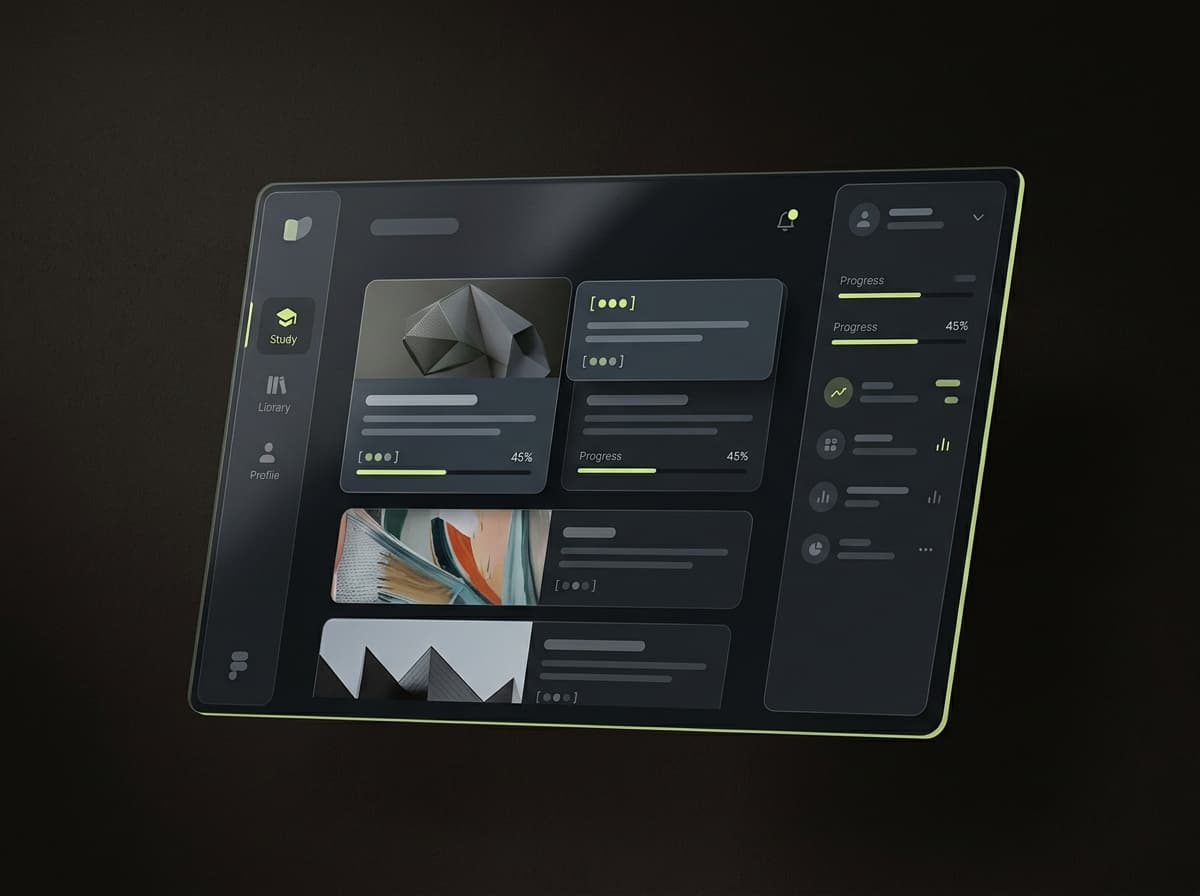
Product surface
Live surface
Quiet motion. No neon theatre.
Plans shaped by goal and weak areas—then closed-book checks.

Talk through a sticky step, then re-attempt alone.

JEE, SAT, IB, IELTS, boards—and custom goals.
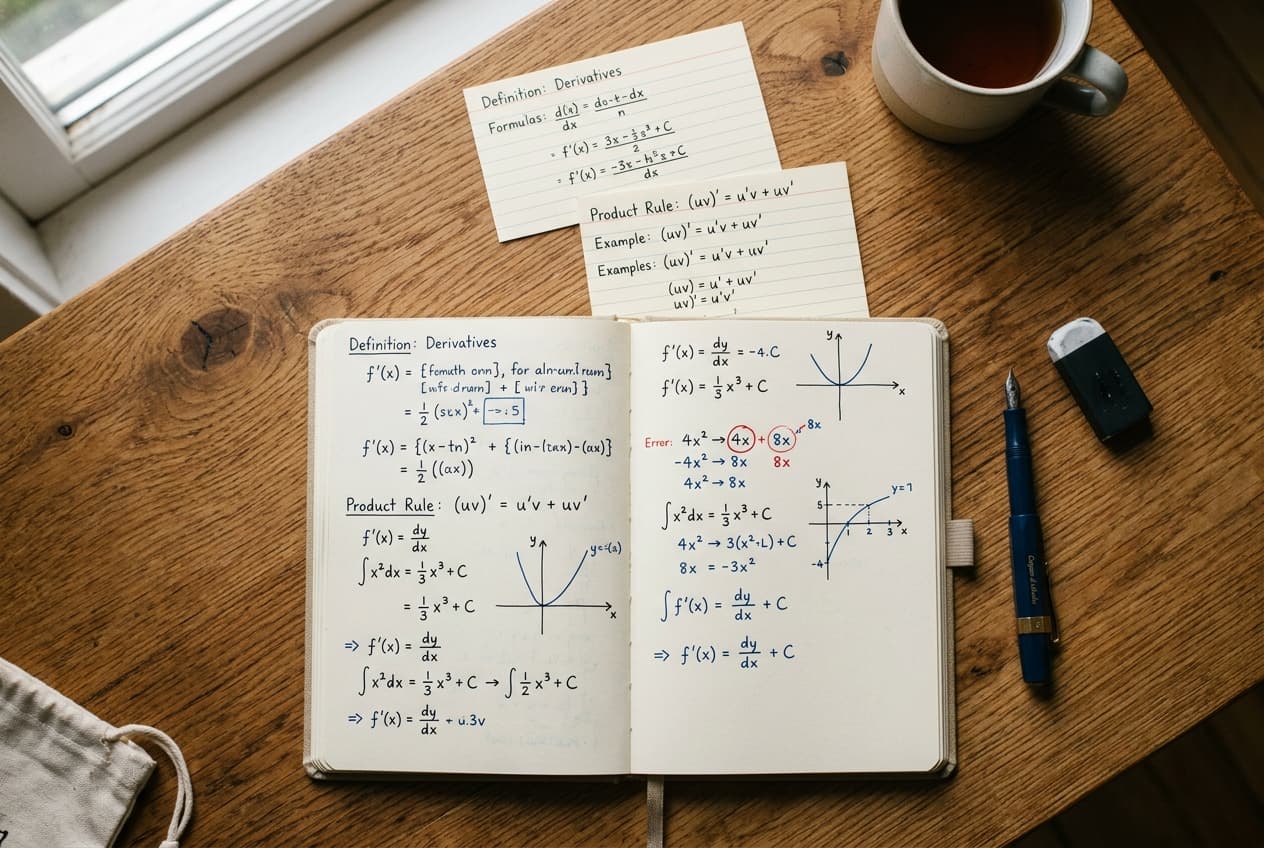
Misses become short drills—not a score and a shrug.
How it works
OmniTutor keeps the loop closed: every lesson points to practice, every miss points to recovery. That is how progress survives the next login.

Exam, course, or skill—scoped to your level, weak areas, and time budget. No generic syllabus dump.

Modules and lessons with checkpoints. Optional video lessons when you want visual explanation.
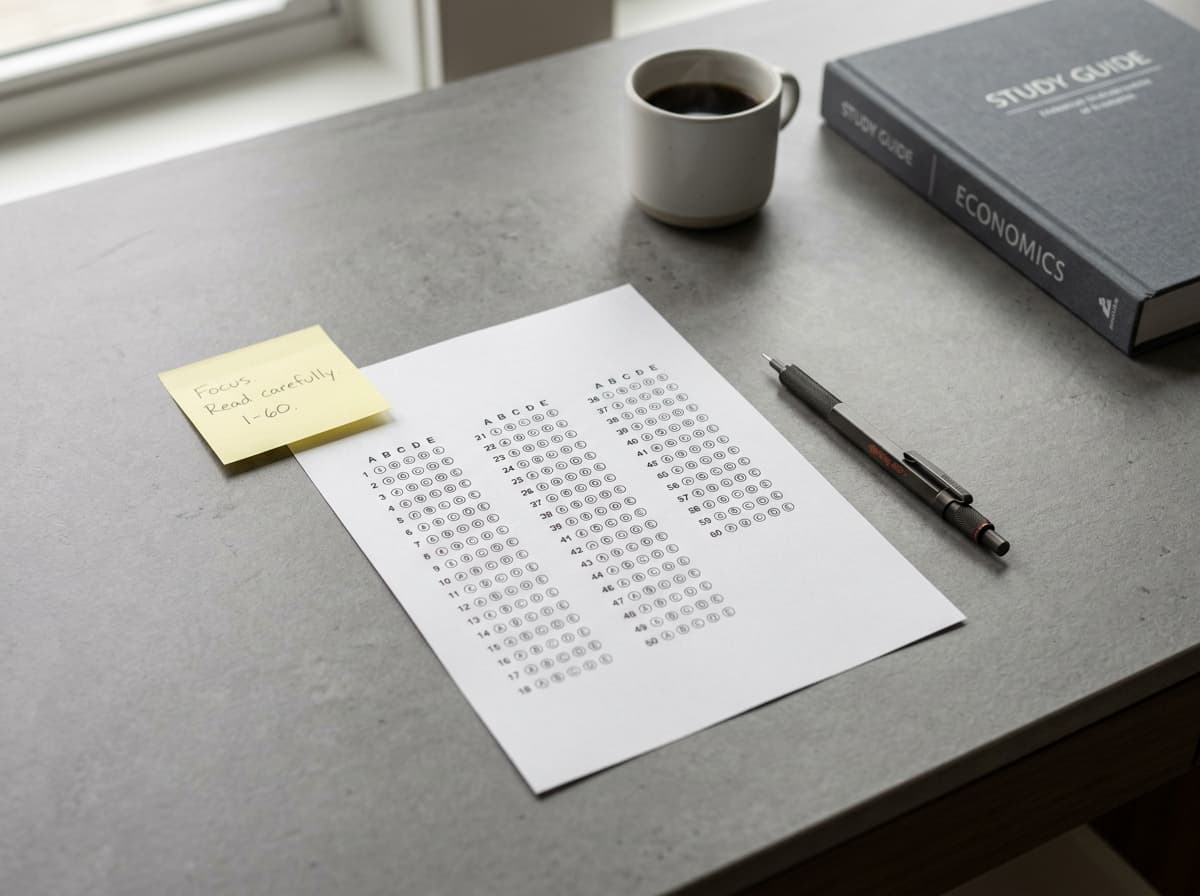
MCQ, numerical, written, coding—tutor mode for feedback, exam room when you need delayed scoring.
Wrong answers become short recovery paths—not a vague “study more.” Re-test until it sticks.
Massed practice feels fluent and forgets fast. Spacing feels harder and sticks longer because you re-retrieve from memory, not from an open notebook.
Exams reward the hard version: closed-book recall under time, days or weeks after first learning.
Day 0: learn and do a short closed-book check. Day 1–2: first review. Day 7: second review. Day 21+: third review for high-stakes topics.
If you miss an item, shorten the interval for that card or topic—do not reset your entire life schedule.
Prioritize high-yield facts, formulas, definitions, and error-prone steps—not entire textbook paragraphs as single cards.
For multi-step skills (proofs, mechanisms, essays), space full practice attempts, not only flashcard recognition.
OmniTutor’s plan → learn → practice → recover loop naturally creates review opportunities when you miss checkpoints.
Use recovery quizzes as forced retrieval after mistakes, then schedule another attempt days later so the fix sticks.
Building 2,000 cards you never review. Reviewing only what feels easy. Skipping full-length mocks because flashcards feel productive.
Fix: cap new cards, review daily, and keep weekly timed practice on the real exam format.
Detail
Active recall, spacing, mock analysis, countdown tactics—then tools that enforce the loop so advice becomes habit.
FAQ
No. Any exam with durable facts or procedures benefits—STEM formulas, law maxims, history timelines, vocab, and more.
Consistency beats duration. Many learners do well with 20–40 focused minutes of retrieval daily plus weekly deeper practice.
AI can generate materials and recovery drills, but you still need a calendar of closed-book retrieval. OmniTutor helps structure practice; you still show up for reviews.
Triage: review overdue high-stakes topics first, pause new material briefly, then resume a sustainable daily cap.
Start free
Create a free OmniTutor account, start a personalized journey, and turn every mistake into a recovery step.